
Did you know that electrical issues are one of the leading causes of house fires? This alarming fact underscores the importance of understanding your home’s electrical systems. For homeowners, recognizing the warning signs of electrical problems is not only a safety measure but a critical step in maintaining your property. As experienced home inspection professionals, we are here to guide you through the essential safety tips and warning signs to ensure your electrical system is in top condition.
Understanding Your Electrical System
Your home’s electrical system is a complex network, and having a basic understanding of its components can help you identify potential issues. Key elements include the service panel, circuit breakers, wiring, and outlets. Regular inspection and maintenance of these components are vital for safety and efficiency. Here are some technical details to keep in mind:
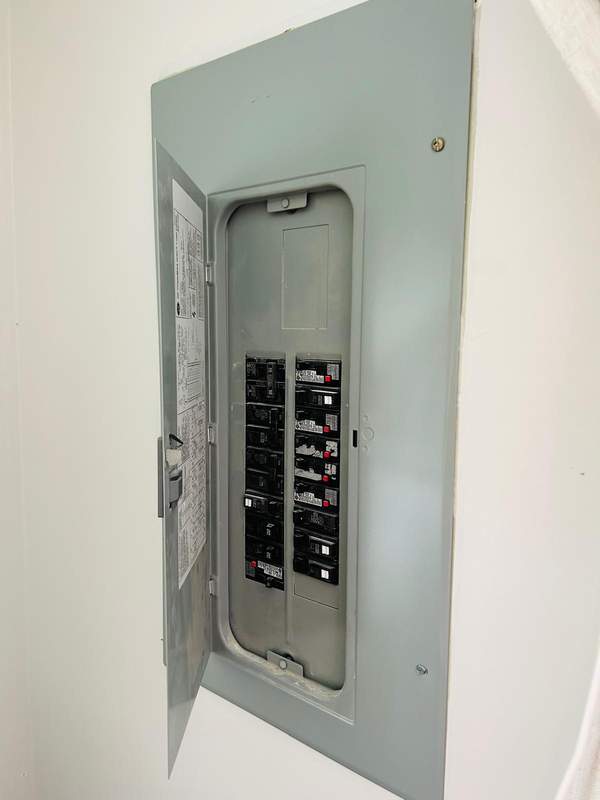
- Service Panel: Ensure your service panel is easily accessible and clearly labeled. It should be free of rust and moisture.
- Circuit Breakers: Familiarize yourself with the capacity of your circuit breakers. A standard residential circuit breaker is typically rated for 15 to 20 amps.
- Wiring: Look out for aluminum wiring, which was commonly used in homes built between the 1960s and 1970s, as it poses a higher risk of overheating.
Warning Signs of Electrical Problems
Early detection of electrical issues can prevent hazards and save you money on costly repairs. Be vigilant for these warning signs:
- Frequent Circuit Breaker Trips: If your circuit breaker trips often, it might indicate an overloaded circuit or a short circuit.
- Flickering Lights: This could be a sign of loose wiring or a circuit overload.
- Burning Smell or Discolored Outlets: These are urgent warning signs of electrical failure and should be addressed immediately by a professional.
Safety Tips for Homeowners
While some electrical issues require professional intervention, there are safety measures you can implement:
- Install smoke detectors on each floor and regularly test them.
- Use surge protectors to safeguard appliances and electronics.
- Never overload outlets or extension cords.
By understanding and monitoring your electrical system, you can help ensure the safety and longevity of your home. Remember, when in doubt, it’s always best to consult with a professional home inspection service. Let us help you maintain a safe environment for you and your family.
Recent Comments